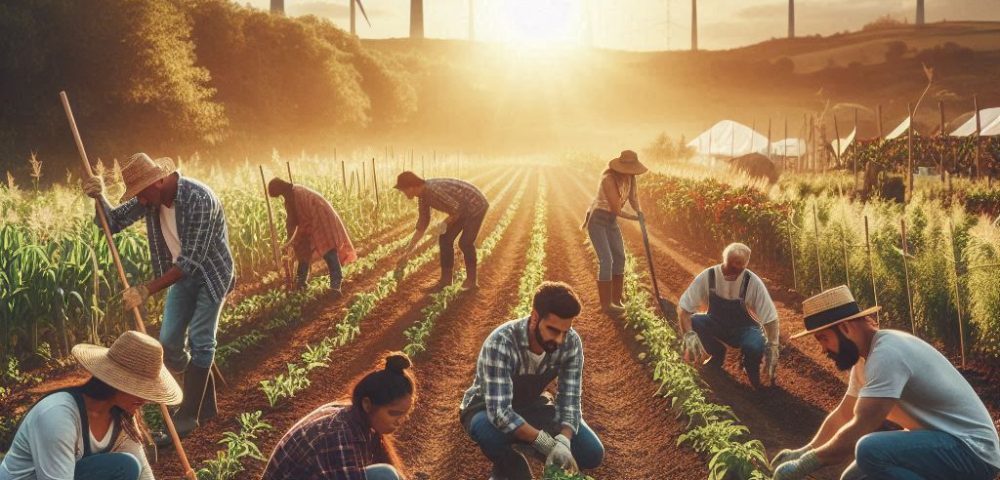
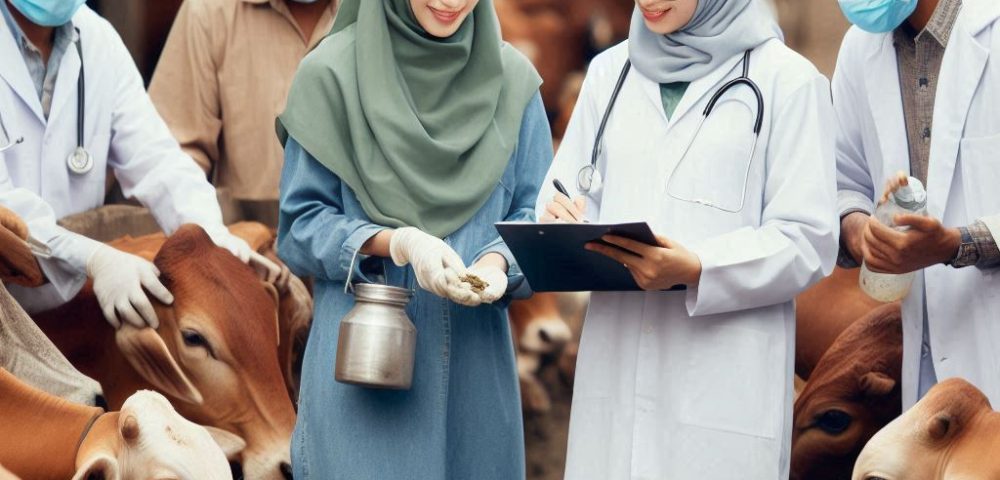
In the agricultural landscape of Bangladesh, livestock plays a crucial role in rural livelihoods, food security, and economic growth. The health and well-being of these animals, whether poultry, cattle, goats, or sheep, directly impact the productivity and profitability of farming. Consequently, animal health and medicine have become critical areas of focus, as farmers and stakeholders work to enhance animal welfare, improve livestock productivity, and ensure the safety of animal products.
The Poultry Industry in Bangladesh: A Comprehensive Overview
The poultry industry in Bangladesh has grown exponentially over the past few decades, becoming one of the most vital contributors to the country’s economy and a crucial source of animal protein for the population. In a nation where agriculture remains a backbone, poultry farming has played a significant role in poverty alleviation, creating employment opportunities, and boosting rural livelihoods. The demand for poultry products, such as chicken meat and eggs, continues to rise due to population growth, changing consumer preferences, and increasing purchasing power.
The Rise of Sustainable Agriculture: A Solution to Food Security and Climate Change
In recent years, global conversations have increasingly shifted toward the need for more sustainable practices in various industries. One of the most critical sectors in this regard is agriculture. As the global population is set to reach nearly 10 billion by 2050, feeding the world will require a radical transformation in how we grow, distribute, and consume food. At the same time, agriculture must address its environmental impact, particularly its contribution to climate change, soil degradation, and water scarcity. Sustainable agriculture offers a promising solution to these intertwined challenges, providing a pathway toward food security while minimizing harm to the planet.