
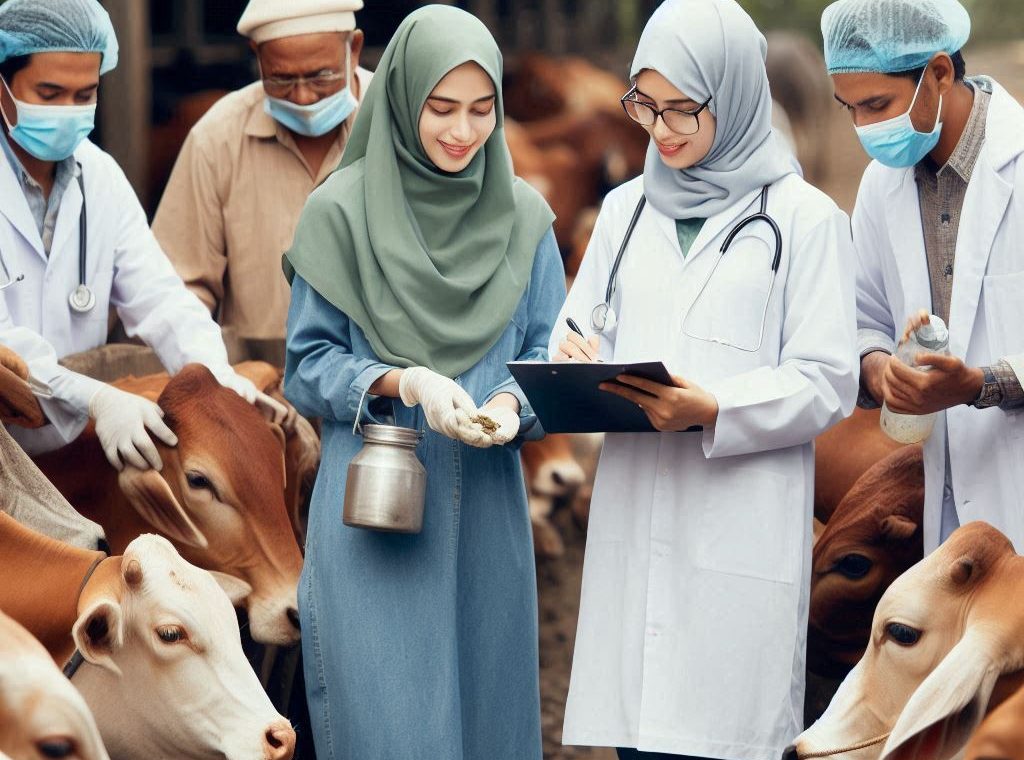
In the agricultural landscape of Bangladesh, livestock plays a crucial role in rural livelihoods, food security, and economic growth. The health and well-being of these animals, whether poultry, cattle, goats, or sheep, directly impact the productivity and profitability of farming. Consequently, animal health and medicine have become critical areas of focus, as farmers and stakeholders work to enhance animal welfare, improve livestock productivity, and ensure the safety of animal products.
In this blog, we will explore the importance of animal health in Bangladesh, the role of veterinary medicine, the challenges faced by farmers, and the opportunities that exist in improving animal health standards across the country.
The Importance of Animal Health in Bangladesh
Bangladesh has a rich agricultural heritage, with livestock farming making significant contributions to the economy. According to the Food and Agriculture Organization (FAO), the livestock sector contributes approximately 1.5% of Bangladesh’s GDP. In rural areas, livestock is often a vital source of income, food, and nutrition. Healthy animals ensure higher productivity, whether it be through meat, milk, or eggs, and also help in crop farming through the provision of manure.
However, the health of these animals is constantly threatened by various factors, including infectious diseases, poor nutrition, and environmental stress. Keeping livestock healthy is not just about improving individual animal welfare; it is essential for safeguarding public health, preventing zoonotic diseases, and improving the sustainability of farming practices.
Major Animal Health Challenges in Bangladesh
- Prevalence of Infectious Diseases: Infectious diseases, such as foot-and-mouth disease (FMD), peste des petits ruminants (PPR), avian influenza, and Newcastle disease, are common in Bangladesh and cause high mortality rates in livestock. These diseases can spread rapidly, resulting in significant economic losses for farmers and limiting the ability of small-scale farms to become more profitable.According to the Department of Livestock Services (DLS), over 70% of cattle and more than 40% of poultry farms in Bangladesh are affected by infectious diseases each year. Although vaccinations are available for some diseases, the uptake among farmers, especially in rural areas, remains low due to a lack of awareness and access to veterinary services.
- Poor Nutrition and Feed Quality: Nutrition plays a vital role in ensuring the health and productivity of livestock. Unfortunately, many farmers in Bangladesh struggle to provide their animals with adequate and balanced diets. A deficiency in essential nutrients such as proteins, vitamins, and minerals weakens the immune system of animals, making them more susceptible to diseases.Additionally, the cost of high-quality animal feed can be prohibitive for small-scale farmers. Many rely on low-quality feed or even homemade feed, which often lacks the essential nutrients animals need for healthy growth and production.
- Lack of Access to Veterinary Services: Bangladesh faces a severe shortage of trained veterinarians and animal health workers, particularly in rural and remote areas. According to the World Organization for Animal Health (OIE), Bangladesh has only 1 veterinarian for every 4,000 livestock—far below the recommended ratio. As a result, many animals go untreated when they fall ill, leading to reduced productivity and, in severe cases, death.The lack of veterinary services also means that many farmers are unable to access essential medicines and vaccines for disease prevention, leading to widespread infections that could otherwise be controlled.
- Overuse and Misuse of Antibiotics: The overuse and misuse of antibiotics in livestock farming is a growing concern in Bangladesh. Many farmers resort to using antibiotics as a preventative measure or without proper veterinary guidance. This practice contributes to the emergence of antibiotic-resistant bacteria, posing a significant threat to both animal and human health.According to a 2022 report from the Bangladesh Livestock Research Institute (BLRI), 80% of livestock farmers use antibiotics without veterinary consultation. This misuse not only increases the risk of antimicrobial resistance but also compromises the quality of animal products, such as milk and meat, that are consumed by the public.
The Role of Veterinary Medicine
Veterinary medicine plays a pivotal role in maintaining animal health and ensuring the safety of livestock products. With advancements in veterinary science and technology, modern medicine provides a wide range of treatments, including vaccines, antibiotics, and antiparasitic drugs, that help prevent and treat common animal diseases.
- Vaccination Programs: Vaccination is one of the most effective tools for controlling infectious diseases in livestock. Programs aimed at vaccinating against common diseases such as FMD, avian influenza, and Newcastle disease have shown promising results in reducing outbreaks. According to DLS, the widespread vaccination campaign against FMD reduced the incidence of the disease by 40% over the last decade.
- Antibiotic Stewardship: While antibiotics are crucial for treating bacterial infections in livestock, their use must be regulated to prevent antibiotic resistance. Veterinarians play a key role in educating farmers about the proper use of antibiotics, ensuring that these medicines are used judiciously and only when necessary. Antibiotic stewardship programs are being promoted globally to combat the misuse of these drugs in both humans and animals.
- Antiparasitic Treatments: Parasitic infestations, such as worms, ticks, and lice, are common in livestock and can severely affect animal health and productivity. Veterinary medicine offers a range of antiparasitic treatments that help control these infestations. Regular deworming and external parasite control measures are essential to maintaining healthy animals.
- Nutritional Supplements: Veterinary science has also made strides in developing nutritional supplements that enhance the overall health and immune system of livestock. These supplements, when added to animal feed, ensure that livestock receive the necessary nutrients for growth, reproduction, and milk or egg production.
Addressing the Challenges: Opportunities for Improvement
While the challenges facing animal health in Bangladesh are significant, there are numerous opportunities to improve the sector. Addressing these challenges will require a multi-faceted approach, involving government initiatives, private sector investment, and farmer education.
- Government Support and Policies: The government of Bangladesh has introduced various programs to improve animal health, including subsidized vaccination campaigns, livestock insurance, and the training of veterinary workers. However, further investment is needed to expand access to veterinary services in rural areas and promote the use of modern veterinary medicines.
- Private Sector Involvement: Companies like Impex Group BD are playing a crucial role in advancing animal health by providing high-quality veterinary medicines, vaccines, and nutritional supplements to farmers across the country. By working closely with local veterinarians and farmers, private sector players can help bridge the gap between demand and supply in the veterinary industry.
- Farmer Education and Training: Educating farmers about disease prevention, proper feeding practices, and the responsible use of veterinary medicines is essential for improving animal health. Extension services and training programs that equip farmers with the knowledge they need to keep their animals healthy can go a long way in reducing disease outbreaks and improving livestock productivity.
- Research and Development: Investment in research and development is critical to discovering new and effective treatments for animal diseases. The development of vaccines for emerging diseases, antibiotic alternatives, and innovative nutritional products will help ensure the long-term sustainability of the livestock sector in Bangladesh.
Conclusion
Animal health and medicine are integral to the success of Bangladesh’s livestock industry. As the country continues to rely on livestock farming for food security and economic growth, ensuring the health and well-being of animals becomes ever more critical. While challenges such as disease management, antibiotic misuse, and inadequate access to veterinary services persist, concerted efforts from the government, private sector, and farmers can drive significant improvements.
Through vaccination programs, responsible antibiotic use, and the promotion of good animal husbandry practices, the future of animal health in Bangladesh looks promising. Companies like Impex Group BD are at the forefront of this transformation, providing the necessary tools and knowledge to ensure that Bangladesh’s livestock sector continues to thrive.
For more insights and updates on animal health and veterinary medicine in Bangladesh, stay connected with Impex Group BD!
Donec velit neque, auctor sit amet aliquam vel, ullamcorper sit amet ligula. Lorem ipsum dolor sit amet, consectetur adipiscing elit. Vivamus suscipit tortor eget felis porttitor volutpat.