
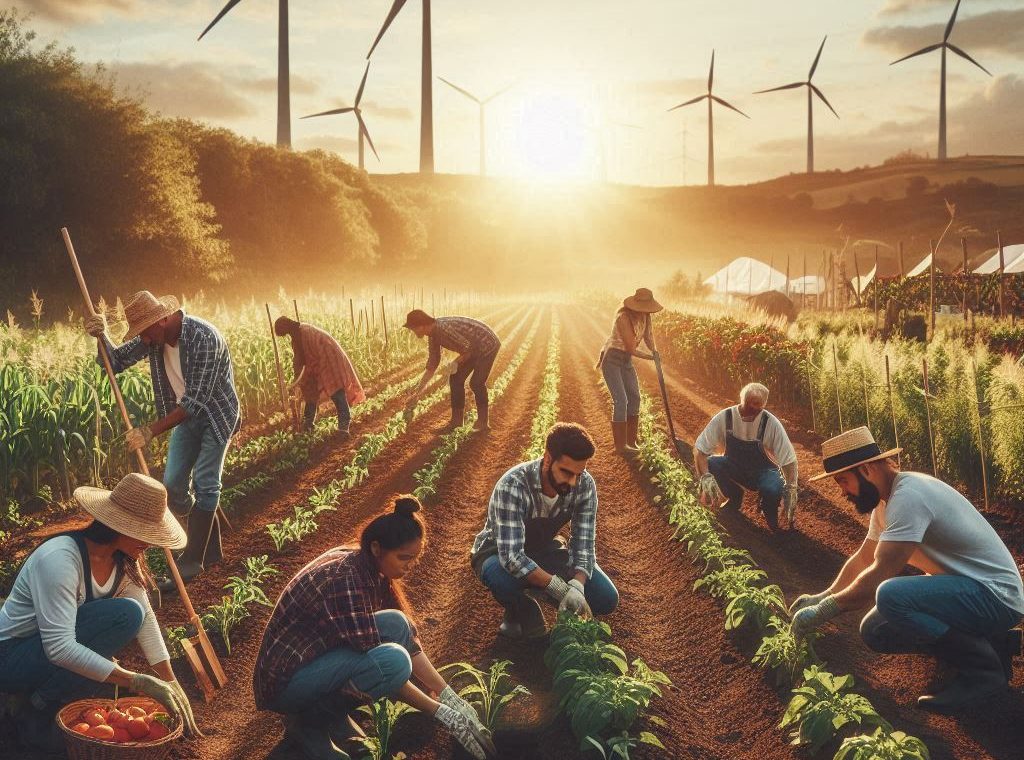
In recent years, global conversations have increasingly shifted toward the need for more sustainable practices in various industries. One of the most critical sectors in this regard is agriculture. As the global population is set to reach nearly 10 billion by 2050, feeding the world will require a radical transformation in how we grow, distribute, and consume food. At the same time, agriculture must address its environmental impact, particularly its contribution to climate change, soil degradation, and water scarcity. Sustainable agriculture offers a promising solution to these intertwined challenges, providing a pathway toward food security while minimizing harm to the planet.
What is Sustainable Agriculture?
Sustainable agriculture refers to farming practices that aim to meet current food needs without compromising the ability of future generations to meet their own. This approach focuses on long-term solutions that protect and preserve natural resources, enhance biodiversity, and reduce the negative environmental impacts associated with conventional farming.
Key principles of sustainable agriculture include:
- Soil health: Promoting soil fertility through crop rotation, organic fertilizers, and reduced chemical use.
- Water conservation: Implementing efficient irrigation systems, rainwater harvesting, and water recycling to manage water usage.
- Biodiversity: Encouraging crop diversity and the use of natural predators to reduce the reliance on chemical pesticides.
- Waste reduction: Minimizing food loss at the farm level and promoting responsible waste management.
Why is Sustainable Agriculture Important?
- Addressing Climate Change: Agriculture is both a victim and a contributor to climate change. On the one hand, climate variability has made weather patterns unpredictable, affecting crop yields. On the other hand, agriculture is responsible for nearly 25% of global greenhouse gas emissions. Livestock farming, rice cultivation, and the use of synthetic fertilizers contribute significantly to methane and nitrous oxide emissions.Sustainable practices like agroforestry, reduced tillage, and cover cropping help sequester carbon in the soil, reducing overall emissions. Moreover, regenerative practices can make farms more resilient to extreme weather events, such as droughts and floods, thus mitigating the impact of climate change.
- Soil Health and Biodiversity: Conventional farming methods, particularly monocropping and the excessive use of chemical fertilizers, have led to significant soil degradation worldwide. In fact, the UN reports that 33% of the world’s soils are degraded due to factors like erosion, salinization, and nutrient depletion. Healthy soils are the foundation of sustainable agriculture, supporting nutrient cycling, water retention, and biodiversity.Sustainable agriculture practices, such as crop rotation, organic fertilizers, and reduced chemical inputs, help maintain soil structure and fertility. These methods promote a diverse ecosystem in the soil, improving the resilience of crops and reducing dependency on external inputs.
- Water Conservation: Agriculture accounts for approximately 70% of global freshwater usage. Inefficient water use and unsustainable irrigation practices have led to water scarcity in many regions, exacerbating the global water crisis. Sustainable agriculture prioritizes efficient water management through techniques like drip irrigation, rainwater harvesting, and mulching, which help reduce water waste and improve crop yield per drop of water.
- Economic Viability for Farmers: Sustainable agriculture not only benefits the environment but also offers long-term economic advantages for farmers. By reducing dependency on expensive inputs like synthetic fertilizers and pesticides, farmers can lower their costs and improve profit margins. Furthermore, sustainable practices often lead to improved soil health, which boosts productivity over time and enhances the farm’s overall resilience to environmental stresses.
- Supporting Global Food Security: Sustainable agriculture is key to feeding a growing population without depleting natural resources. Conventional farming methods may boost yields in the short term, but they often come at the cost of long-term sustainability. As soil health declines and water resources dwindle, food production becomes less reliable.By adopting sustainable practices, farmers can produce more food on less land, conserve natural resources, and ensure that future generations have the means to grow nutritious food. The FAO estimates that by 2050, global food production will need to increase by 50% to meet demand, and sustainable farming offers a clear path to achieving this goal without further environmental degradation.
Innovative Approaches to Sustainable Agriculture
- Vertical Farming: Urbanization is driving a need for innovative solutions to grow food in cities where land is scarce. Vertical farming is a cutting-edge approach that involves growing crops in stacked layers, often in indoor environments with controlled climates. This method minimizes land use, reduces water consumption by up to 90%, and eliminates the need for chemical pesticides. Companies like AeroFarms and Plenty have made significant strides in developing commercial-scale vertical farming operations, making fresh produce more accessible to urban populations.
- Precision Agriculture: Technology is playing a key role in transforming agriculture. Precision agriculture uses data and digital tools to optimize farm management, reducing waste and maximizing productivity. Drones, GPS-guided tractors, and soil sensors help farmers monitor crop health, measure soil moisture, and apply inputs like water and fertilizers with pinpoint accuracy. This targeted approach reduces the overuse of chemicals, conserves resources, and improves yield efficiency.
- Agroecology: Agroecology is an approach that integrates ecological principles into farming. It emphasizes working with nature rather than against it, focusing on soil health, biodiversity, and natural pest control. Agroecological practices include polycultures (growing multiple crops together), agroforestry (integrating trees into farmland), and biological pest control (using natural predators to manage pests). These methods have been shown to enhance ecosystem services, reduce input costs, and increase farm resilience.
Challenges to Scaling Sustainable Agriculture
While the benefits of sustainable agriculture are clear, scaling these practices to meet global demand presents several challenges.
- Lack of Awareness and Education: Many farmers, particularly in developing countries, lack access to information and training on sustainable practices. Governments and NGOs need to invest in extension services that educate farmers on the benefits of sustainable agriculture and provide hands-on training.
- Initial Costs: While sustainable practices can lead to long-term cost savings, the initial investment required for equipment, seeds, and organic inputs may be prohibitive for small-scale farmers. Financial incentives, such as government subsidies or microcredit programs, can help farmers transition to more sustainable practices.
- Market Demand: Although consumer demand for organic and sustainably produced food is growing, it remains a niche market in many regions. Farmers may be hesitant to adopt sustainable practices if they do not see immediate market opportunities. Creating better market access for sustainably produced goods is essential for encouraging wider adoption of these practices.
The Future of Sustainable Agriculture
The transition to sustainable agriculture is not just a necessity for the planet—it also offers a tremendous opportunity for innovation, job creation, and economic growth. As consumers become more conscious of the environmental and health impacts of their food choices, demand for sustainably produced food will continue to rise. Governments, private companies, and farmers must collaborate to create an agricultural system that feeds the world while protecting the planet.
By adopting sustainable practices, the agriculture sector can become a driving force in the global fight against climate change, resource depletion, and food insecurity. The future of farming depends on our ability to balance the needs of today with the needs of tomorrow, ensuring a sustainable, healthy, and prosperous planet for generations to come.